2026-10-22 ·
Steps to Inspect for Mold After Winter Rains in San Luis Rey
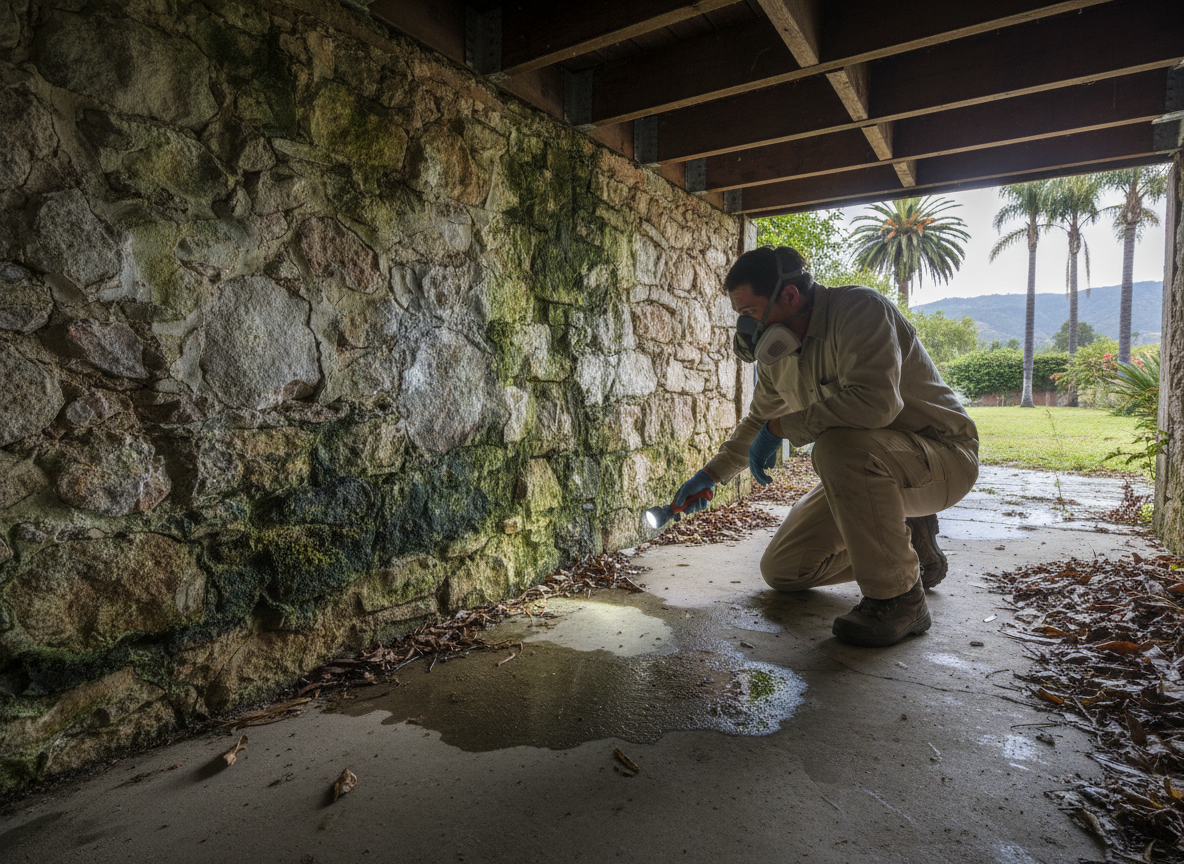
After winter rains hit San Luis Rey, begin mold inspection by examining roof lines and attic spaces within 48 hours of the last storm, as moisture from Pacific fronts often penetrates older tile roofs common along Mission Avenue corridors.
Checking Attics and Roof Areas
San Luis Rey homes built between the 1950s and 1970s frequently feature older roof underlayments that degrade after repeated winter downpours. Start at the access point and scan for dark staining on rafters or insulation near the ridge. Use a moisture meter on wood members to detect readings above 15 percent, which signals active intrusion from wind-driven rain common in the San Luis Rey River valley. Pay special attention to areas around skylights and plumbing vents, where flashing failures allow water to pool. In neighborhoods near 4050 Mission Ave, check for sagging insulation that indicates hidden leaks from coastal fog combined with rain. Document any visible growth with photos before disturbing materials, since disturbing spores can spread them through HVAC ducts typical in these single-story ranch homes.
Inspecting Crawl Spaces and Foundations
Crawl spaces in San Luis Rey properties often sit close to the water table after winter storms, especially in areas with clay-heavy soils around Bonsall Road. Enter with a bright headlamp and look for musty odors or efflorescence on concrete piers, which shows prolonged dampness from poor drainage during heavy January rains. Probe sill plates and subflooring with a moisture meter, noting any readings over 20 percent that could feed mold on the underside of flooring. In older construction common west of Highway 76, check for torn vapor barriers that allow ground moisture to rise and condense on cold pipes. Homeowners near Camp Pendleton report increased issues here due to the flat terrain that holds runoff longer than hillside lots in Carlsbad.
Examining Walls, Windows, and Interiors
Focus next on exterior walls where stucco cracks from seismic settling allow rain to enter during San Luis Rey's winter events. Run your hand along baseboards in rooms facing prevailing winds for softness or discoloration, particularly in bathrooms added during 1980s remodels. Use a flashlight at an angle to reveal fuzzy growth behind furniture or in closets where air circulation drops after windows are closed against the rain. Check around window frames for condensation stains, as single-pane glass in many Mission Avenue homes traps humidity indoors when outdoor temperatures fall into the 50s. Older drywall in these structures absorbs water quickly, so probe gently with a screwdriver in suspect corners rather than relying on visual inspection alone.
When Professional Assessment Helps
If moisture readings stay elevated or you find growth larger than a single square foot, contact a mold inspection specialist familiar with San Luis Rey conditions. Home mold inspection teams understand how local rains interact with the area's mix of slab-on-grade and raised-floor homes. For properties built before 1970, review guidance in handling mold found in older San Luis Rey construction to avoid disturbing asbestos-containing materials during checks. Readers can also examine what influences mold remediation costs in San Luis Rey to plan next steps based on square footage and access challenges typical after seasonal storms.